March 2026 – App Store Insights, Google Play Storefronts, and Ecosystem Cleanup
- Overview:
- Apple Ads Expansion and Insights Reporting
- Google Play Storefront Updates and Visual ASO
- Google Play Ecosystem Cleanup
- Google Play Console Workflow: “Save for Later”
- Conclusion
March 2026 introduced significant structural changes across both major app stores. Apple expanded its Search Ads placements and updated its Insights reporting to accommodate the new multi-placement environment. Concurrently, Google Play introduced new storefront formats, including portrait videos and PC gaming integrations. This article examines these updates and outlines the strategic adjustments ASO specialists and mobile marketers must make to adapt.
Apple Ads Expansion and Insights Reporting
On March 3, 2026, Apple initiated a phased rollout of expanded ad placements within App Store search results. Moving away from the single premium slot at the top of the search results, up to two ads can now appear for a single search query, with secondary ads appearing further down the results page.
Because nearly 65% of App Store downloads occur directly after a search, this inventory expansion alters discovery mechanics. Existing search results campaigns are automatically eligible for the additional placements without requiring account restructuring. However, advertisers cannot explicitly bid for specific positions; the auction algorithm determines placement based on bid strength and relevance.
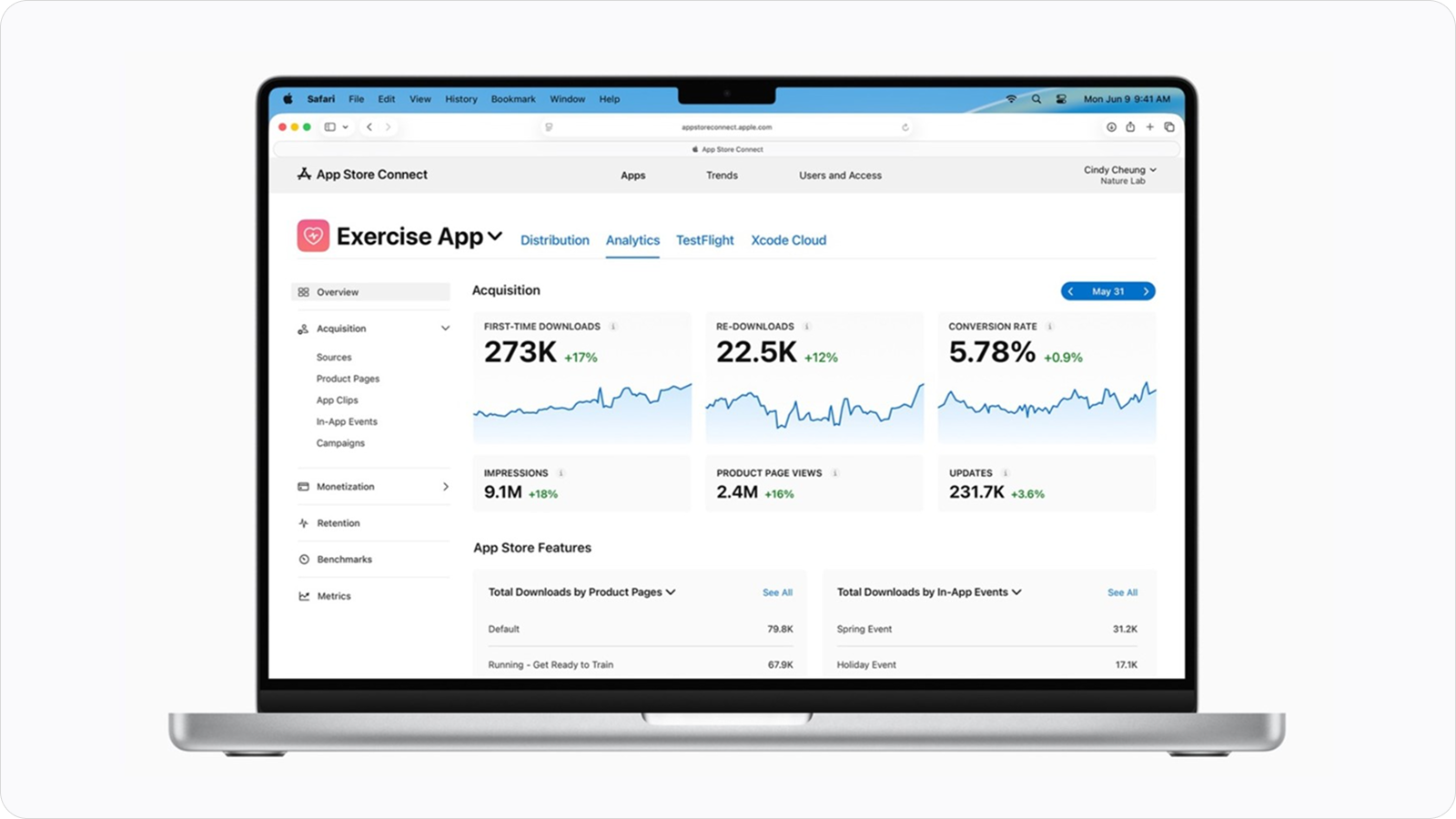
To assist marketers in analyzing this multi-placement environment, Apple updated its Insights reporting dashboard. Advertisers can now view the “Daily Search Term Impressions Share” across all ad positions. Because the “First Ad Position” share is reported separately, ASO teams can subtract the first position impressions from the total to calculate the exact impression volume captured by the new second placement. Despite this added transparency, Apple continues to mask the Search Popularity index for search terms with a score lower than 44. To defend against competitors utilizing the second ad slot to target branded keywords, marketers should set a 70% to 90% Share of Voice target for their own brand terms.
Google Play Storefront Updates and Visual ASO
Google is restructuring how users discover content by integrating new visual formats and cross-platform capabilities. Data from the March 2026 Google Play Store updates (versions 50.5 and 50.6) reveals several functional additions to app listings.
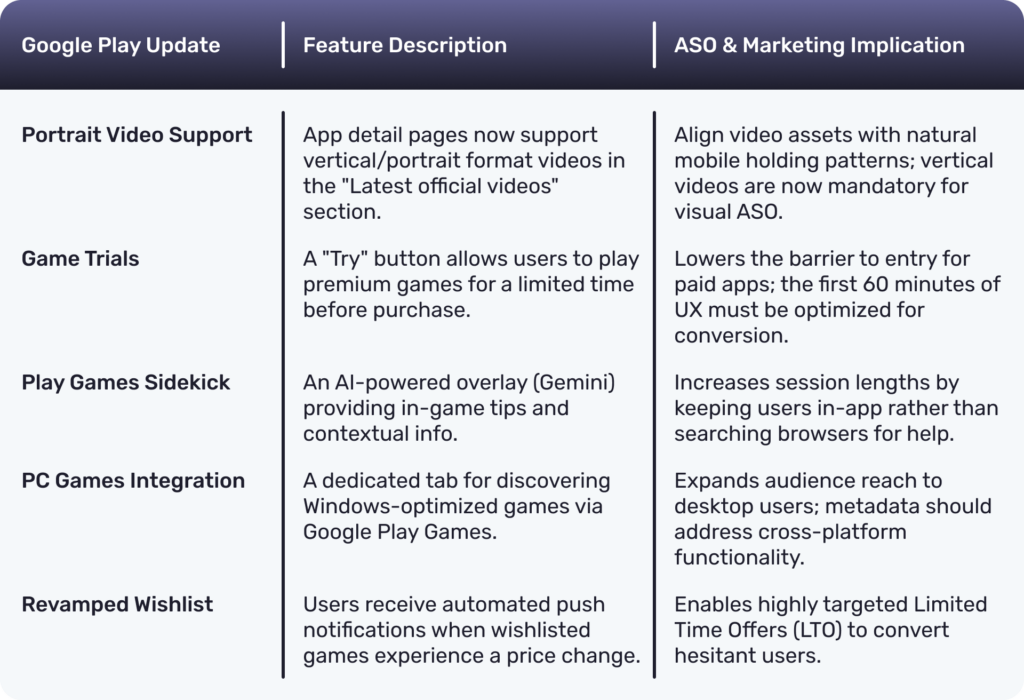
The support for portrait-format videos directly supports the launch of “Play Shorts,” a vertical, TikTok-style feed within the Play Store where users can preview app interfaces and install applications with a single tap. ASO is no longer confined to static screenshots; producing high-retention vertical video assets that deliver clear value propositions within the first three seconds is a strict requirement to capitalize on this discovery algorithm.
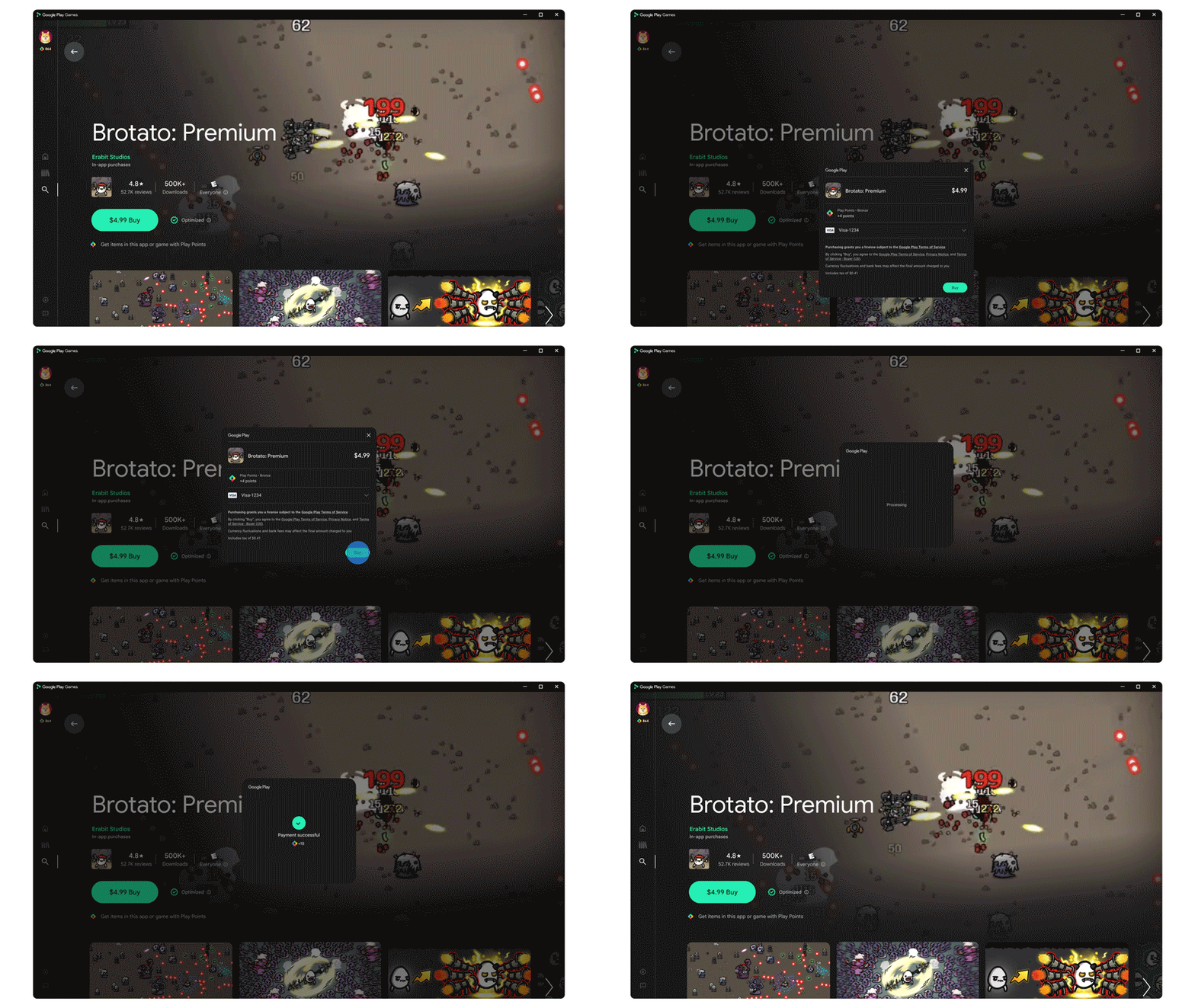
Furthermore, Google is breaking down the barriers between mobile and desktop computing. The platform introduced a “Buy once, play anywhere” pricing model, where a single transaction unlocks access to a game across an Android phone, tablet, and Windows PC.
Google Play Ecosystem Cleanup
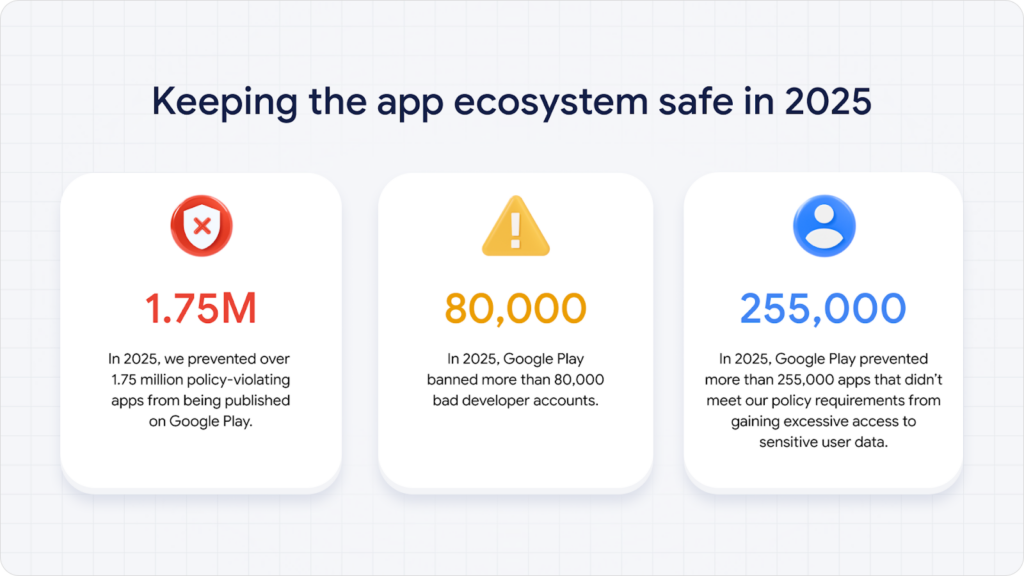
Google released its 2025 Security Report in early 2026, detailing an unprecedented purge of fraudulent engagement. The platform removed 160 million spam reviews and blocked 1.75 million malicious apps. The removal of 160 million spam reviews impacts ASO directly, as the algorithm relies on rating velocity and sentiment to assign search ranking weights. Apps that previously relied on inorganic review networks experienced severe drops in their aggregate star ratings.
To further secure the ecosystem, Google initiated a mandatory developer verification protocol. By September 30, 2026, apps must be registered by a verified developer to be installed or updated on certified Android devices in specific regions, before rolling out globally in 2027.
Google Play Console Workflow: “Save for Later”
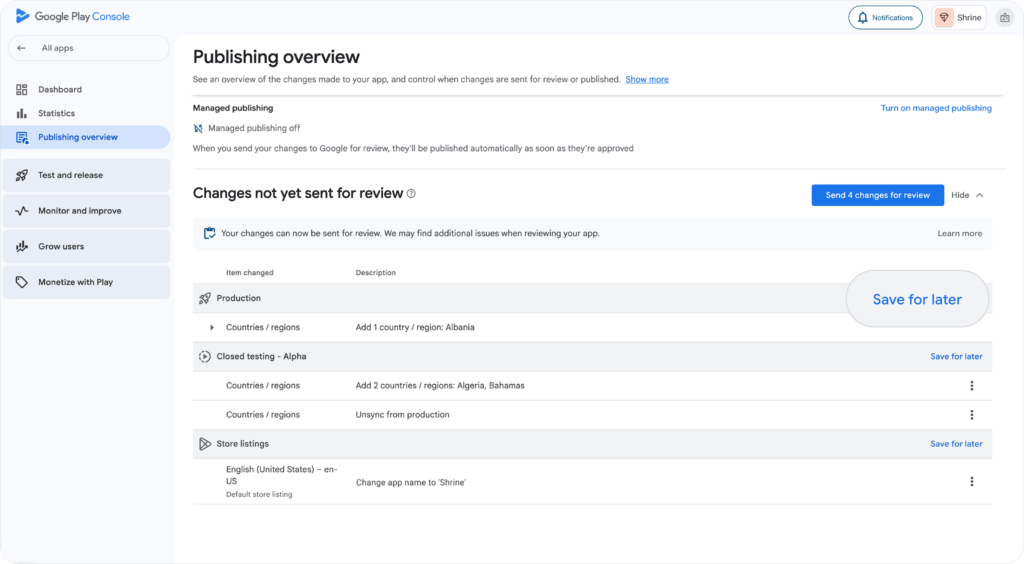
A major operational update for ASO managers is the overhaul of the Google Play Console’s publishing workflow. Historically, all pending changes, whether a critical code patch or a minor metadata update, were bundled into a single submission queue, meaning marketing tweaks could inadvertently delay urgent hotfixes.
The new “Save for Later” feature resolves this bottleneck. Developers can decouple updates within the “Changes not yet sent for review” section. Specific metadata modifications can be held back from the immediate review queue while allowing other critical updates to proceed. This grants ASO teams the ability to implement agile testing methodologies, preparing store listing experiments in the console without the risk of holding up time-sensitive engineering releases.
Conclusion
The updates from March 2026 establish a clear trajectory: both the App Store and Google Play are systematically raising the requirements for maintaining visibility. Google enforces strict technical compliance and demands verified developer identities. Apple is reshaping the search journey with UI adjustments and introducing a highly competitive, multi-slot advertising landscape. ASO strategies must evolve from basic keyword placement to comprehensive, full-funnel optimization.
Your action plan for the coming weeks:
- Defend Brand Real Estate. With Apple’s expansion to two search ad slots, review your brand protection campaigns. Set appropriate Share of Voice targets to prevent competitors from capturing your branded search traffic.
- Implement Modular Publishing. Instruct ASO and engineering teams to utilize the “Save for Later” feature in Google Play. Decouple metadata experiments from APK code releases to increase the frequency of store listing A/B tests.
- Diversify Traffic Acquisition. Audit your visual assets to prepare for vertical Play Shorts feeds, and evaluate the integration of Category Rankings Promotion to capture top-of-funnel browse traffic alongside your existing keyword campaigns.
Need expert guidance for your app’s growth? The Keyapp.top support team is here to refine your strategy and help you stay ahead of the latest Google Play and App Store shifts.